

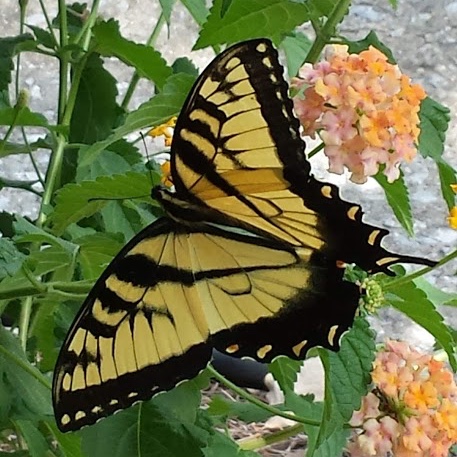
Not satisfied with the occasional, chance appearance of butterflies, many gardeners create butterfly gardens – with plants specially chosen to invite them into the landscape.
This is understandable, since the mixture of flowers and the fluttering movement of colorful butterflies are one of nature’s most enchanting combinations. As the weather gets warmer and the possibility of frosts diminishes, now is a great time to start planning a butterfly garden.
Attracting Butterflies Throughout Their Life Cycle
To plant a butterfly garden properly, you need to have a general understanding of the life cycle of butterflies. They pass through four distinct stage – the egg, caterpillar, chrysalis, and butterfly (adult). Although they may look very different at each stage, it is important to understand that a caterpillar is not a different creature. It is simply a baby butterfly .
Caterpillar Stage
In the caterpillar stage, butterflies are voracious feeders – primarily eating foliage. But each type of caterpillar feeds specifically only on certain plants. In addition, the adult female butterfly lays her eggs only on those plants that nourish her offspring properly.
- Monarch butterfly caterpillars feed only on milkweed plants (Asclepias).
- Gulf fritillary caterpillars prefer species of passion vines (Passiflora).
- The parsley worm, which grows up to be the Eastern black swallowtail, feeds on parsley, dill, and fennel.
- Sulfur butterflies lay their eggs on cassias.

- Long-tailed skipper caterpillars prefer bean leaves.
- The orange dog caterpillar feeds on citrus trees and disguises itself to look like bird droppings. It grows up to be the giant swallowtail butterfly.
Butterfly gardeners plant these plants with the hopes that butterflies will lay eggs on them and that caterpillars will consume them. This is one of the few situations I can think of where a gardener actually hopes a plant will be eaten by caterpillars!
Needless to say, don’t use pesticides in areas dedicated to butterfly gardens. Remember that the caterpillars are picky about what plant they will feed on and will feed specifically on the larval food plants you provide. Don’t be concerned that they will attack other plants in your landscape – unless you have larval food plants planted in other locations.
Adult Stage
The adult butterflies feed primarily on nectar from flowers. Many commonly grown garden flowers are attractive to butterflies. Therefore, the more kinds of flowers you include in your butterfly garden, the better chance you have of attracting them.
Certain flowers seem to be especially irresistible to butterflies. Some of the best are butterfly weed (Asclepias curassavica), coneflower (Echinacea purpurea), wild ageratum (Eupatorium coelestinum), butterfly bush (Buddleia species), lantana (Lantana camara, L. montevidensis), pentas (Pentas lanceolata), and salvias (Salvia species)
Don’t be disappointed if at first you don’t see butterflies flocking to your yard in droves. After all, your garden is an invitation, not a command performance. The more plants you put in, and the longer you stick with it, the more likely you are to see butterflies.
After a while, spotting a butterfly will be more common. And the first time you find caterpillars on your milkweed, parsley, or passion vine, the excitement will make it all worthwhile.
Other Ways to Nurture Butterflies
In addition to plants, other features are helpful in attracting these delights of color and movement. Place drinking water in a location that is not deep, so the butterflies can comfortably rest and drink. Butterflies cannot drink from open water, so place a shallow pan filled with pebbles in the garden. Refill it when you water plants or allow nature to fill it when it rains.
Some butterflies like the juice from fruit. So rather than throwing away leftover fruit, fermenting fruit or fruit peelings, place them in the garden. A piece of watermelon or the rind is a tasty treat for these creatures.
Butterflies need basking spots. Like all insects, butterflies are cold-blooded and depend on the warmth of the sun for energy to maintain proper body temperature. Spring and fall are perhaps the most important times in the absorption of the sun’s energy, since night time and morning temperatures may be low. Locate your butterfly garden in an area that receives the morning sun and warms up early. This serves dual purpose, since most larval and nectar food plants grow best in areas of six to eight hours of direct sun each day.
More Tips
Don’t forget to include your children and grandchildren in the enjoyment of the butterfly garden. Kids delight in observing the changing stages in a butterfly’s life cycle. It is a great way for them to learn more about nature. Although some of the of the butterfly caterpillars, such as Gulf fritillary larvae, appear to be heavily armed with spines, none are able to sting.
The next time you go to your local nursery, ask about plants for butterfly gardens. As the popularity of butterfly gardening arises, so does the quality and quantity of plant section at your local nurseries.
Butterfly gardens strive to attract, welcome, and nurture these fascinating and lovely insects that add so much to the pleasures of gardening. And with their abundance of bright, colorful flowers, these gardens also can contribute to the beauty of the overall landscape.
