


Ground Covers: A Low-Maintenance Landscape Solution
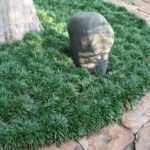
Using ground-cover plantings in landscapes is becoming increasingly popular, and late winter or early spring are ideal times to plant them.
Ground covers create effects that are difficult to achieve with turf grass. They offer variation in height, texture, and color while generally requiring far less maintenance. Planting in early spring allows ground covers time to settle in and become established before hot summer weather arrives.
What Are Ground Covers?
Ground covers are low-growing plants — other than turf grass — used to cover areas of the landscape.
Most ground covers are:
-
Perennial and evergreen
-
Have a spreading or sprawling growth habit
-
Usually are less than 12 inches tall, but taller plants can be used in some landscapes.
Benefits of Ground Covers
In addition to their beauty, ground covers offer lots of practical benefits.
Advantages include:
- Ground covers are natural barriers that help guide foot traffic.
- They don’t have to be moved, making them low maintenance.
-
Ground covers offer a great solution for difficult areas to mow such as:
-
Steep slopes
-
Under low-branched trees and shrubs
-
Areas with exposed tree roots
-
Confined or hard-to-mow spaces
-
Shady locations where grass will not grow
-
Choosing the Right Ground Cover
Selecting the right ground cover requires matching the plant to the site.
Consider the Plant’s Characteristics
Carefully consider the characteristics you would like the ground cover to have, including:
-
Mature height
-
Texture
-
Color
-
Growth rate.
Evaluate the Growing Conditions
You must also evaluate the growing conditions:
-
Amount of sunlight, especially whether it is sunny or shady
-
Size of the planting area. For large areas, choose ground covers that are reliable, fast-spreading, and reasonably priced.
Monkey grass (Ophiopogon japonicus), creeping lily turf (Liriope spicata) and Japanese ardisia (Ardisia japonica) are good choices for shade to part-shade. Asiatic jasmine (Trachelospermum asiaticum) and liriope (Liriope muscari) are excellent for part-shade to sun.
Preparing the Planting Area
Proper preparation of the planting area will help ensure good establishment and faster growth.
Step 1: Remove Existing Vegetation
Remove all unwanted vegetation, such as lawn grass and weeds. You can do this physically by hand or chemically with an herbicide such as glyphosate (Roundup and other various products). Just be sure to do a thorough job.
Step 2: Loosen the Soil
-
Till the soil to improve root penetration.
-
Under trees, use a turning fork to minimize damage to the tree’s roots.
-
Avoid severing roots larger than an inch in diameter whenever possible.
Step 3: Improve the Soil
-
Work in 2 inches of organic matter (compost, peat moss, or rotted manure) over the surface and work it in.
-
If necessary, add 2–3 inches of blended soil mix (often sold as topsoil or garden soil).
Step 4: Fertilize
Next, sprinkle a general-purpose fertilizer over the area – following label directions – and thoroughly blend everything together.
Also, consider getting your soil tested at the Extension Office which will give you recommendations about the amounts and types of fertilizers to use.
Now you are ready to plant.
Planting and Spacing
For the quickest coverage in the shortest time, plant ground-cover plants at their proper spacing. Spacing varies with the species chosen, so check with the staff at the nursery or your local Extension office. Although the recommended spacing will provide quicker coverage, you may find the cost higher than you expected.
Budget-friendly approach:
-
Create a budget for your project.
-
Purchase as many plants as your budget allows.
-
Space them evenly throughout the area.
-
Add additional plants later as funds permit.
Mulching and Weed Control
After planting, apply 1–2 inches of mulch to the area.
Good mulch choices include:
-
Leaves (chopped is best)
-
Pine bark
-
Leaf mold (partially decayed leaves)
-
Pine straw.
Until the ground cover fills in (generally in two to three years), weed control is very important. Your best defense is a good layer of mulch. Weed by hand regularly, as necessary, to maintain good weed control. In addition, most ground covers spread faster when mulched.
Watering and Ongoing Care
-
Water thoroughly after planting to settle things in.
-
Continue watering during dry periods, especially if rainfall is absent for a week.
Fertilization Schedule
To promote rapid growth:
-
Fertilize with the same fertilizer you used in bed preparation in May and July.
-
After your plants are established, fertilize in March and June. Use the same fertilizer applied during bed preparation.
Plant ground covers now to take advantage of cool, moist weather in spring to encourage strong establishment of the plants before the hot, dry summer arrives. With thoughtful selection and proper care, ground covers can reduce maintenance, beautify problem areas, and add a whole new dimension to your landscape.